Why Supportive Footwear Matters for Plantar Fasciitis
And How Arch Support Can Help Reduce Foot Pain.
If you’ve ever experienced sharp heel pain when stepping out of bed in the morning, aching feet after standing in the kitchen for long periods, or discomfort after walking around in flat thongs, you may be dealing with plantar fasciitis.
Plantar fasciitis is one of the most common causes of heel pain. While many people focus on stretching or icing the foot, footwear support is often overlooked, and it can play a significant role in managing symptoms.
What Is the Plantar Fascia?
The plantar fascia is a thick band of fibrous connective tissue that runs along the bottom of the foot, connecting the heel bone to the toes.
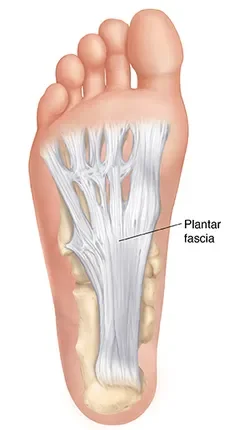
Its main roles are to:
• Support the arch of the foot
• Absorb shock during walking and running
• Help transfer forces through the foot during movement.
When the plantar fascia becomes overloaded or irritated, it can lead to pain along the heel or bottom of the foot, particularly during weight-bearing activities.
Many people notice symptoms such as:
• Heel pain with the first steps in the morning
• Pain after sitting or resting
• Discomfort after long periods of standing or walking
Why Footwear Can Make a Difference
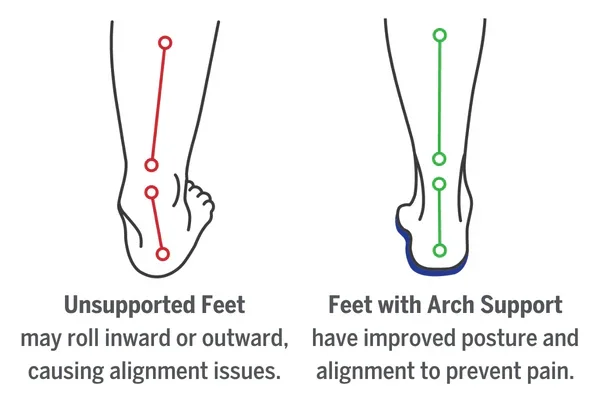
Many everyday shoes- particularly flat sandals or thongs, provide little support for the arch of the foot.
Without adequate support, the foot can begin to roll inward (pronate) more than it should during walking and standing. While some pronation is normal, excessive or uncontrolled pronation can place additional strain on the plantar fascia.
When the arch collapses under body weight:
• the plantar fascia experiences greater tension
• the foot muscles fatigue faster
• the foot may roll inward (over-pronate), affecting overall alignment
• the tissue becomes more prone to irritation.
For people who spend long hours on their feet or walk barefoot on hard floors at home, this repeated stress can contribute to ongoing heel pain.
How Archies Can Help
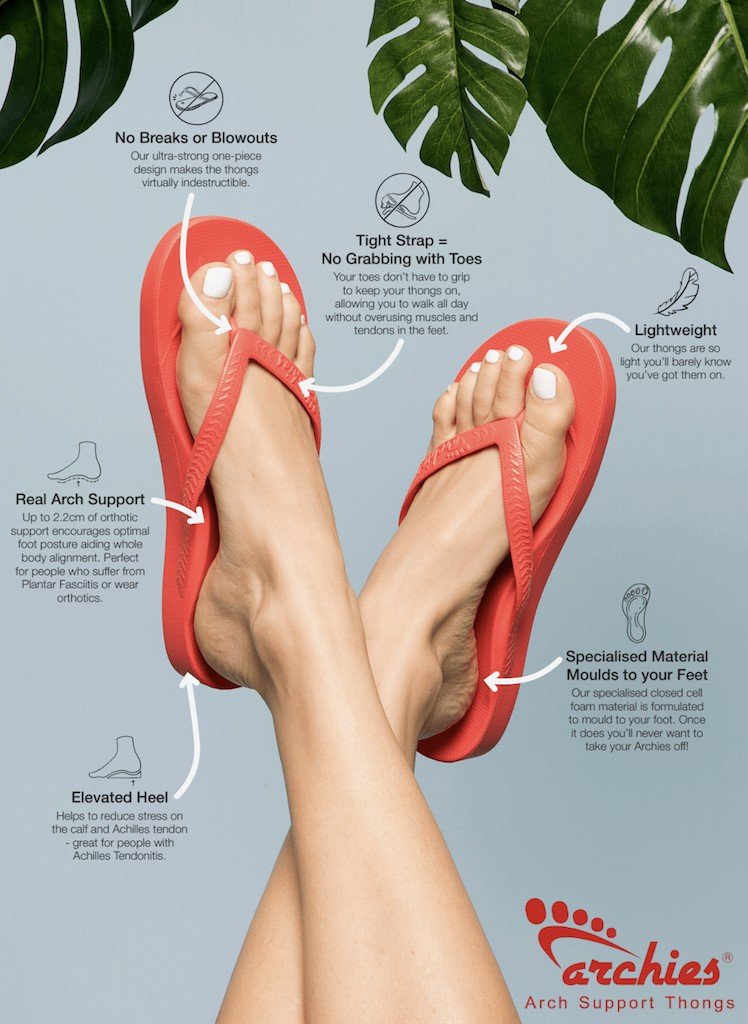
Archies thongs are designed with built-in arch support, which helps maintain the natural structure of the foot during standing and walking.
Compared with traditional flat thongs, they may help:
• support the arch of the foot
• distribute pressure more evenly across the foot
• reduce strain on the plantar fascia
• provide a more supportive option for everyday wear.
Because they still look like regular thongs, many people find them comfortable and practical while still giving their feet additional support.
Other Footwear Tips for Plantar Fasciitis
While supportive sandals like Archies can help reduce strain on the plantar fascia, there are several general footwear principles that can also support foot health.
Look for footwear with:
Arch support: Shoes that support the natural arch of the foot can help reduce tension through the plantar fascia and distribute pressure more evenly.
Adequate cushioning: helps absorb impact forces when walking, reducing stress on the heel.
A supportive sole: Shoes that are overly flexible or completely flat may increase strain on the plantar fascia. A slightly firmer sole often provides better support.
A comfortable width : Shoes that are too narrow can compress the toes and alter foot mechanics. Choosing footwear with enough room in the forefoot allows the toes to move more naturally.
Avoid walking barefoot for long periods: Although it may feel comfortable initially, walking barefoot on hard floors can increase strain on the plantar fascia, particularly if symptoms are already present.
Footwear Is Only One Part of Treatment
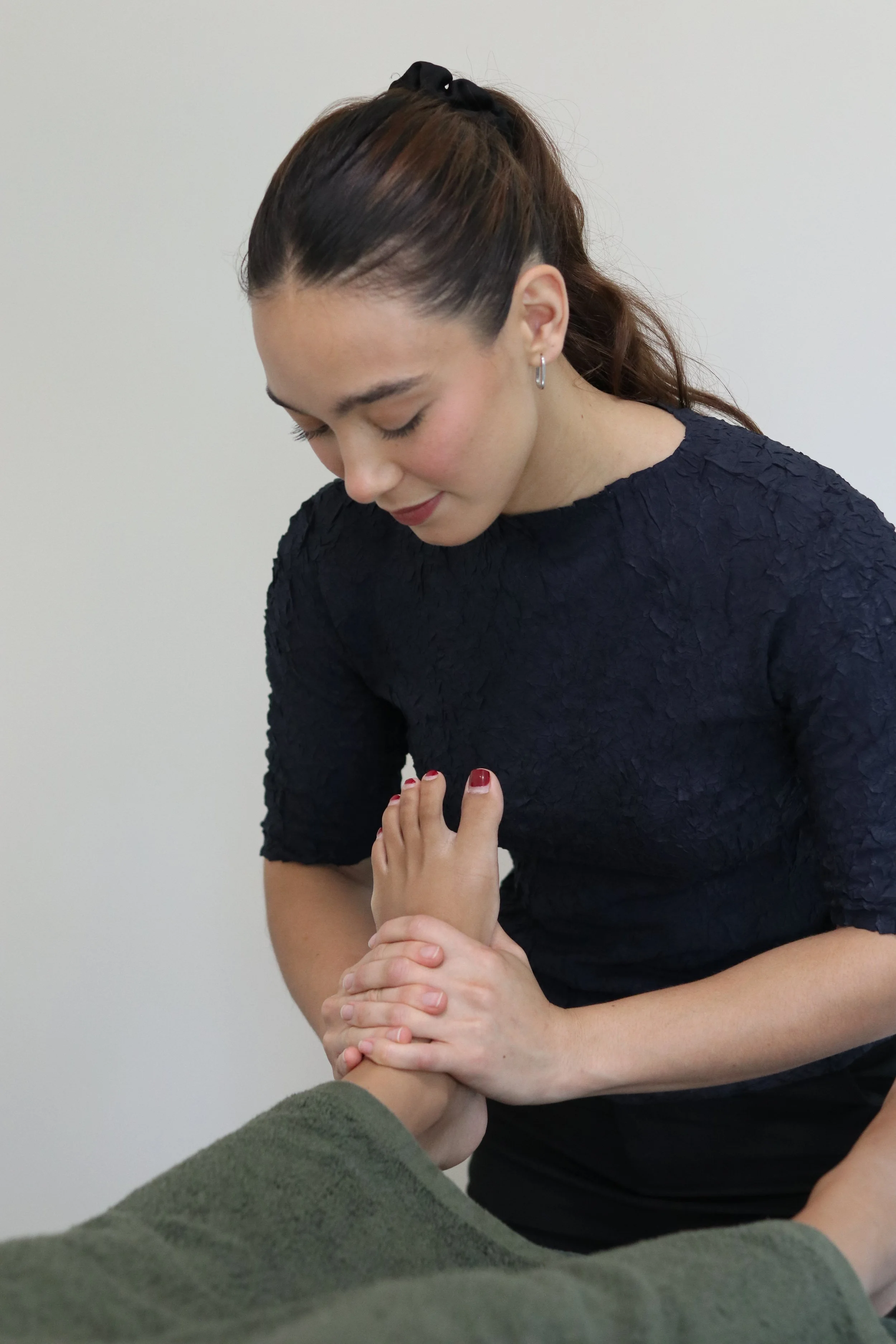
Supportive footwear can help reduce stress on the foot, but long-term recovery from plantar fasciitis usually involves a combination of approaches.
Treatment may include:
• strengthening the muscles of the foot and calf
• stretching the calf and plantar fascia
• load management and activity modification
• hands-on treatment when needed
Strengthening exercises help improve the load capacity of the plantar fascia, allowing the tissue to tolerate daily activities more comfortably.
Plantar Fasciitis Treatment in Camberwell and Melbourne
If you’re experiencing ongoing heel pain or symptoms of plantar fasciitis in Camberwell or Melbourne, getting the right diagnosis and treatment can help prevent the condition from becoming chronic.
At Strong Life Osteopathy in Camberwell, treatment focuses on identifying the underlying factors contributing to foot pain - including footwear, calf strength, foot mechanics, and daily activity levels. With the right combination of hands-on treatment, strengthening exercises, and footwear advice, many people are able to reduce pain and return to comfortable movement.
✨ Archies are currently available in clinic with 20% off until the end of April 2026.
