Why Your Plantar Fasciitis Isn’t Improving (And What Actually Helps)
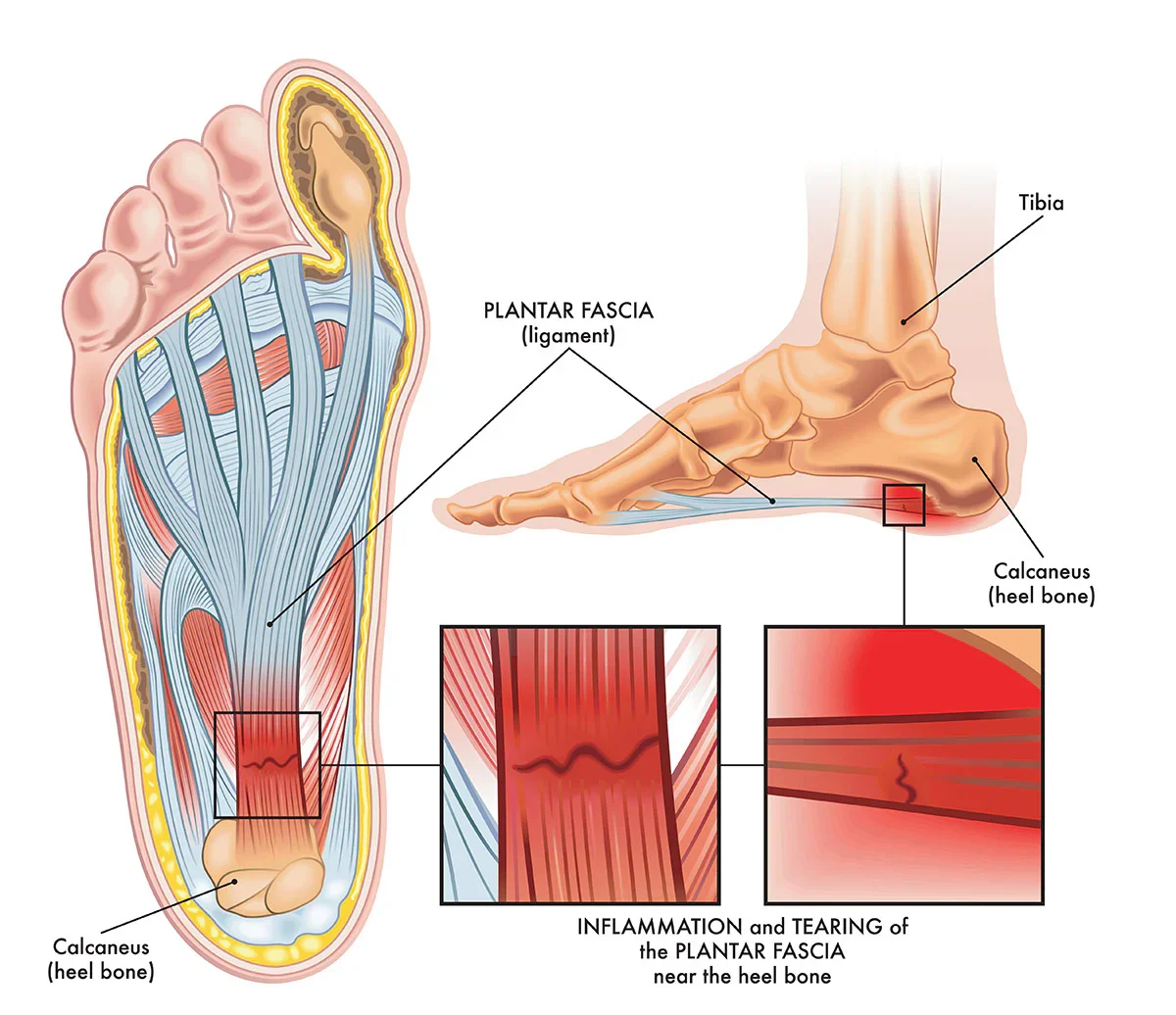
That sharp heel pain when you step out of bed in the morning is a common sign of plantar fasciitis, one of the most frequent causes of foot pain.
Many people try stretching, icing or rolling their foot on a ball, but the pain keeps coming back. The reason is that plantar fasciitis is often not just an inflammatory condition.
Research now suggests that long-standing plantar fasciitis involves degeneration and small micro-tears in the plantar fascia, meaning the tissue becomes weaker and more sensitive to load. Because of this, some clinicians now refer to the condition as plantar fasciopathy rather than fasciitis.
What Is the Plantar Fascia?
The plantar fascia is a thick band of connective tissue running along the bottom of the foot from the heel to the toes.
It helps to:
• Support the arch of the foot
• Absorb forces when walking and running
• Store and release energy during movement
When this tissue becomes overloaded, it can cause pain in the heel or bottom of the foot.

Common Symptoms
Typical signs of plantar fasciitis include:
Heel pain with the first steps in the morning
Pain after periods of rest
Symptoms that improve once the foot warms up
Pain after long periods of standing or walking.
Around 50% of people with plantar fasciitis also have heel spurs, but these are usually not the cause of the pain.
Why Stretching Alone Isn’t Enough
Stretching the foot and calves can reduce tension in the tissue, but strengthening the foot and calf muscles is just as important.
Strength exercises help improve the load capacity of the plantar fascia, allowing the tissue to adapt and become more resilient.
Exercises that may help include:
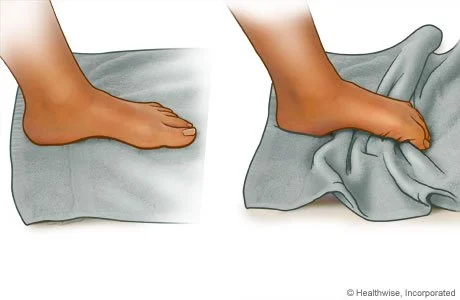
• Towel scrunches
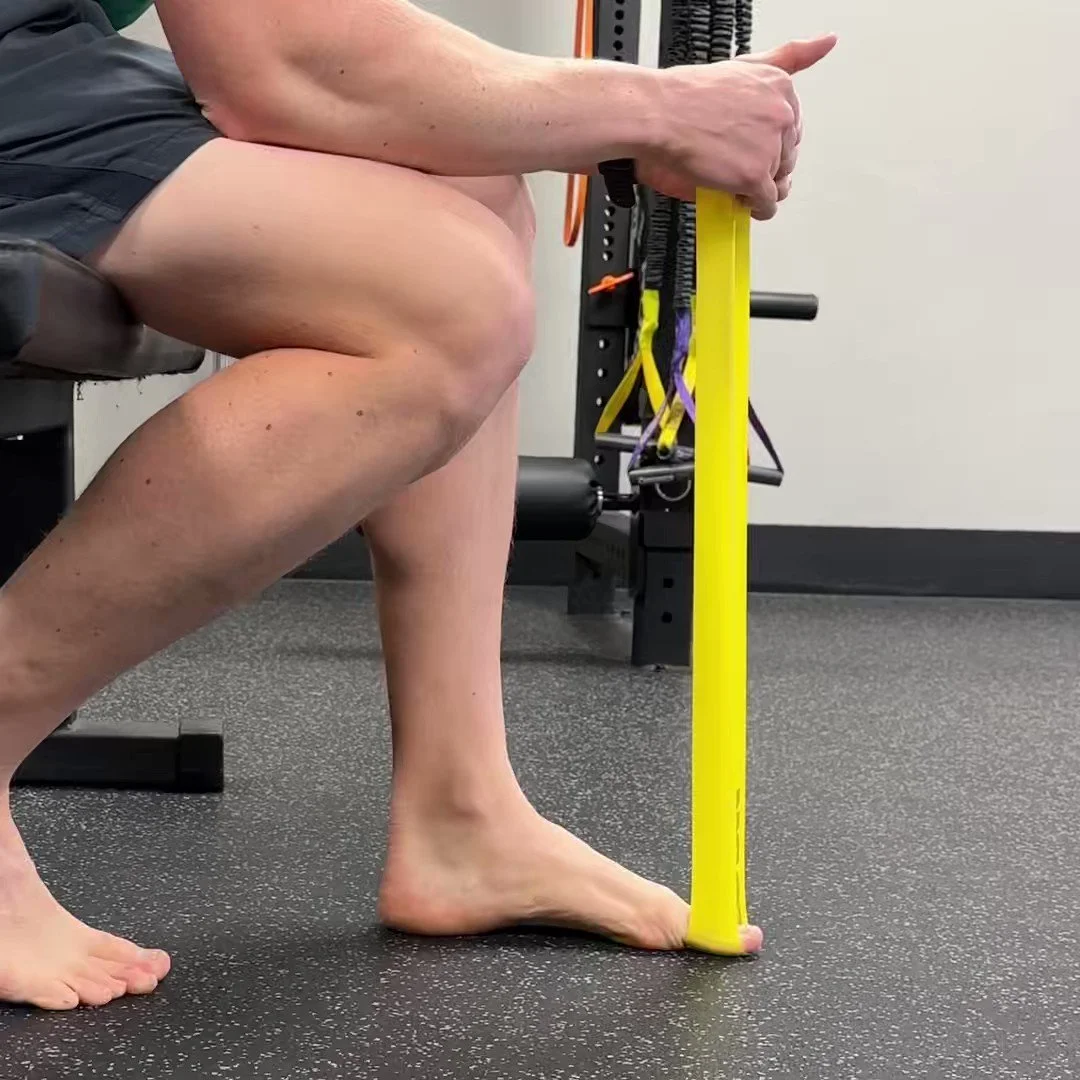
• Banded toe abduction and toe flexion
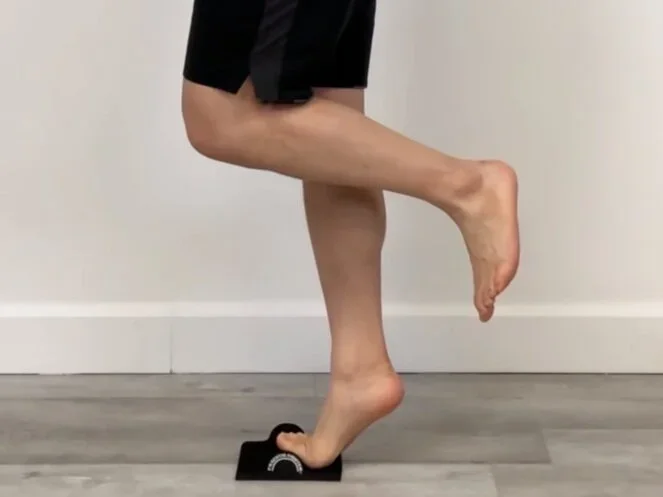
• Toe extension calf raises
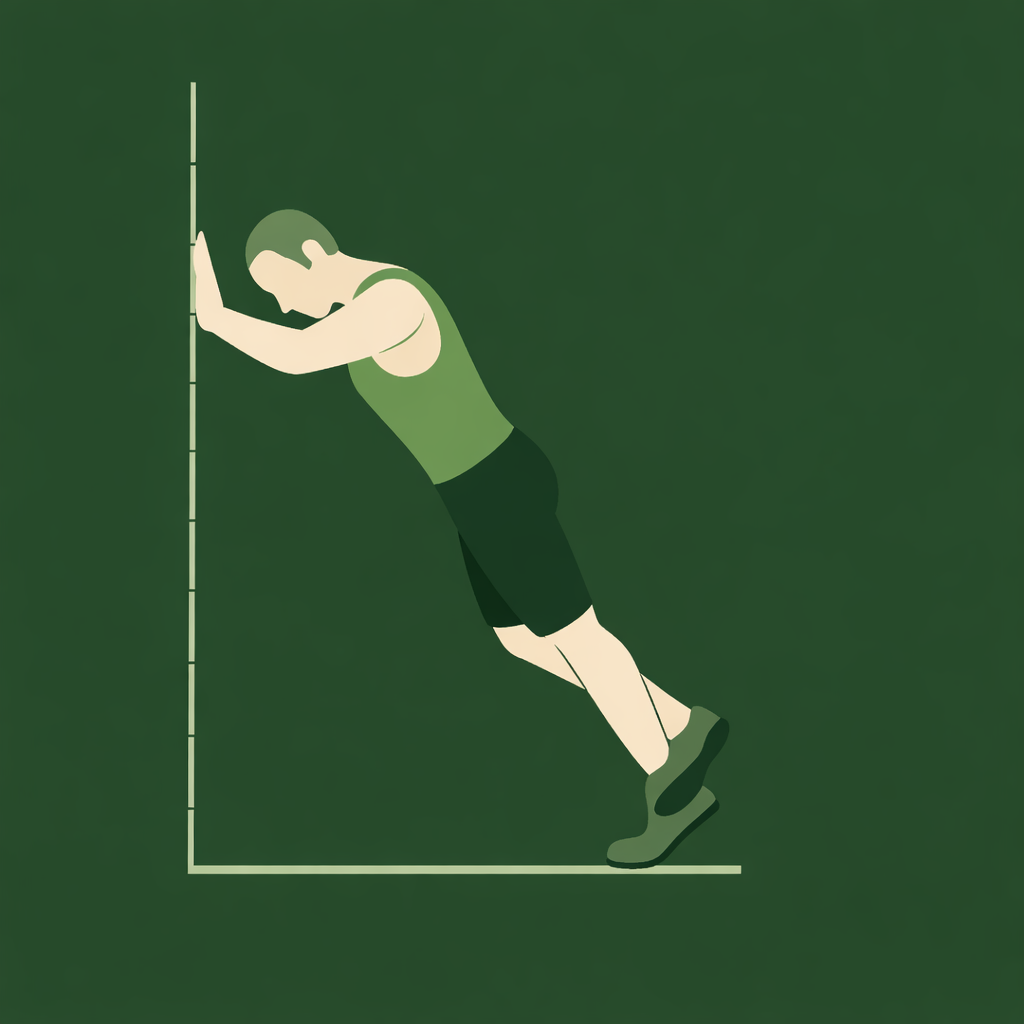
• Single-leg calf raises leaning into a wall
• Quadruped toe stretch rock-backs
• Foam rolling the plantar fascia
These exercises help strengthen the muscles that support the arch and reduce strain on the fascia.
Treatment Options
Most cases improve with the right management, although recovery can take six weeks or longer.
Treatment may include:
• Relative rest and load management
• Ice after activity
• Stretching the calves and plantar fascia
• Supportive footwear
• Foot taping
• Hands-on osteopathic treatment
At Strong Life Osteopathy in Camberwell, treatment focuses on identifying the underlying cause of your heel pain and guiding you through the right exercises to support recovery.
When to Seek Help
If heel pain continues to return or has been present for several weeks, a professional assessment may help identify the contributing factors and create a structured rehabilitation plan.
Book in today to discuss how to manage your pain (click link)
