How Osteopathy Can Help with Hip Pain & Osteoarthritis
Hip pain can be frustrating, limiting, and at times emotionally draining - especially when it starts to affect how you walk, sleep, exercise, or simply enjoy everyday life.
If you’ve been told you have hip osteoarthritis, or you’re experiencing ongoing hip stiffness, aching, or reduced movement, you’re not alone. And importantly - there are ways to manage symptoms, move better, and feel more confident in your body again.
At Strong Life Osteopathy, we take a holistic, individualised approach to hip pain, looking beyond the diagnosis and focusing on you as a whole person.
Understanding Hip Osteoarthritis
Osteoarthritis (OA) is a common condition that involves changes to the joint over time - including cartilage wear, joint stiffness, and sometimes pain or reduced mobility.
But here’s something many people don’t realise: Pain is not just about “wear and tear.”
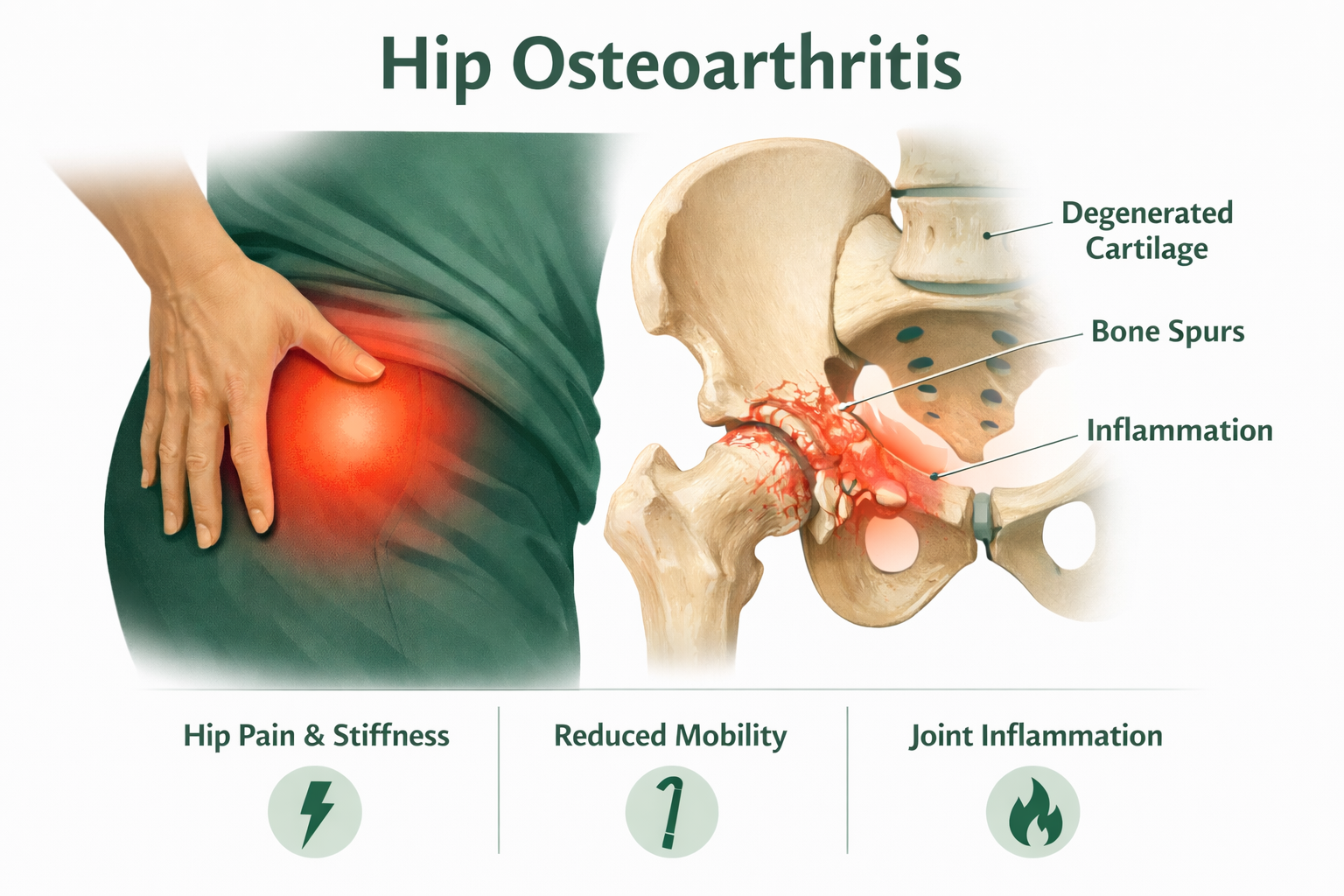
Hip osteoarthritis pain is influenced by:
Joint stiffness and reduced mobility
Muscle weakness or imbalances
Movement habits and posture
Nervous system sensitivity
Stress, sleep, and overall load on the body
This is why two people with the same scan results can feel very different levels of pain.
How Osteopathy Helps with Hip Pain
Osteopathy focuses on how the body moves, adapts, and heals as a connected system - not just one joint in isolation.
1. Individualised Assessment
Your osteopath will take time to understand:
Your pain story and goals
How your hip moves (and doesn’t move)
Strength, flexibility, and balance
How surrounding areas like the lower back, pelvis, knees, and feet are contributing
This helps us treat the root cause, not just the symptoms.
2. Gentle Hands-On Treatment
Depending on your comfort and needs, treatment may include:
Soft tissue techniques to ease tight or overloaded muscles
Gentle joint mobilisation to improve hip movement
Techniques to reduce stiffness and improve circulation
Support for surrounding areas that may be compensating
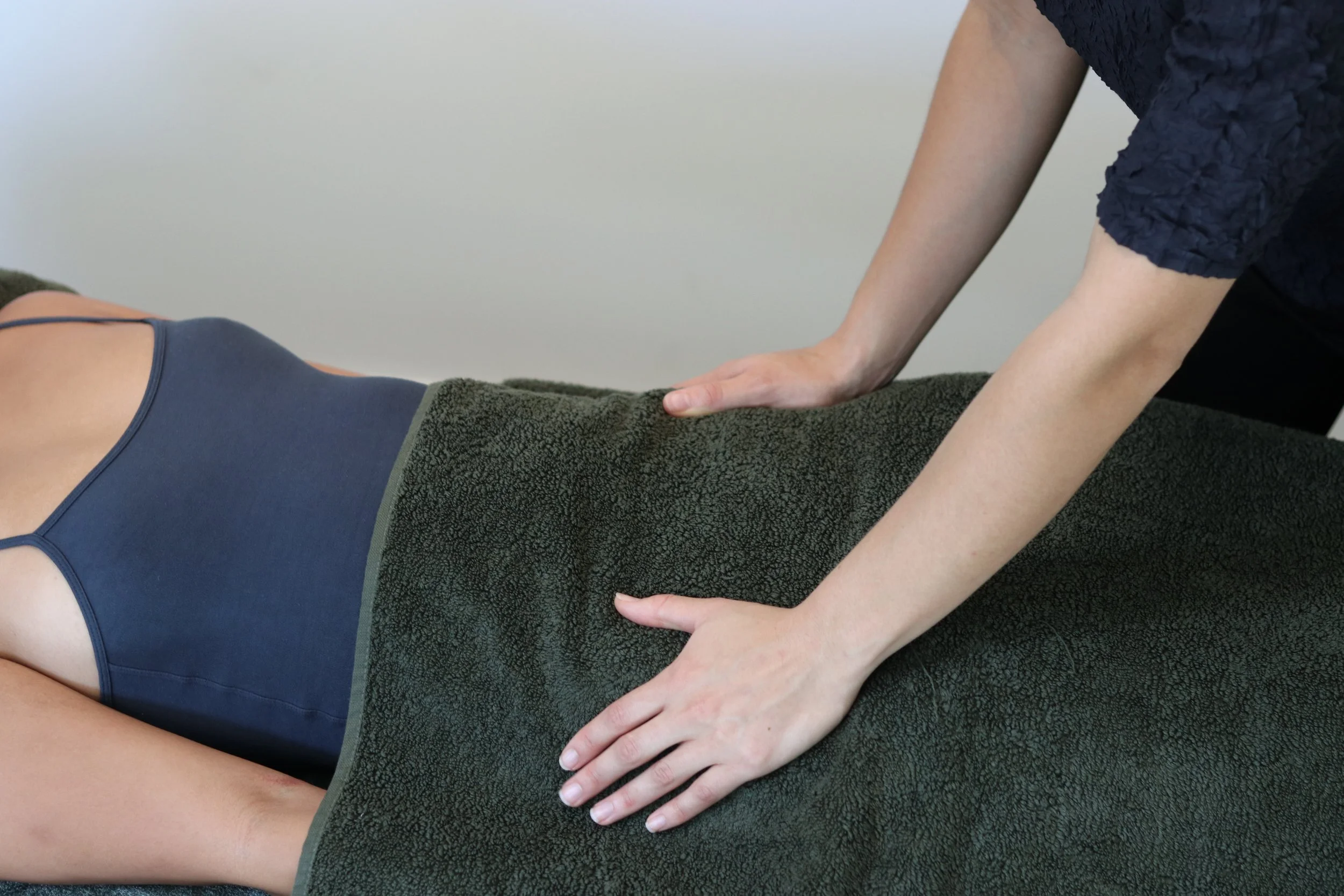
Treatment is always adapted to your pain levels - especially important if you’re living with osteoarthritis.
3. Movement & Exercise That Feels Safe
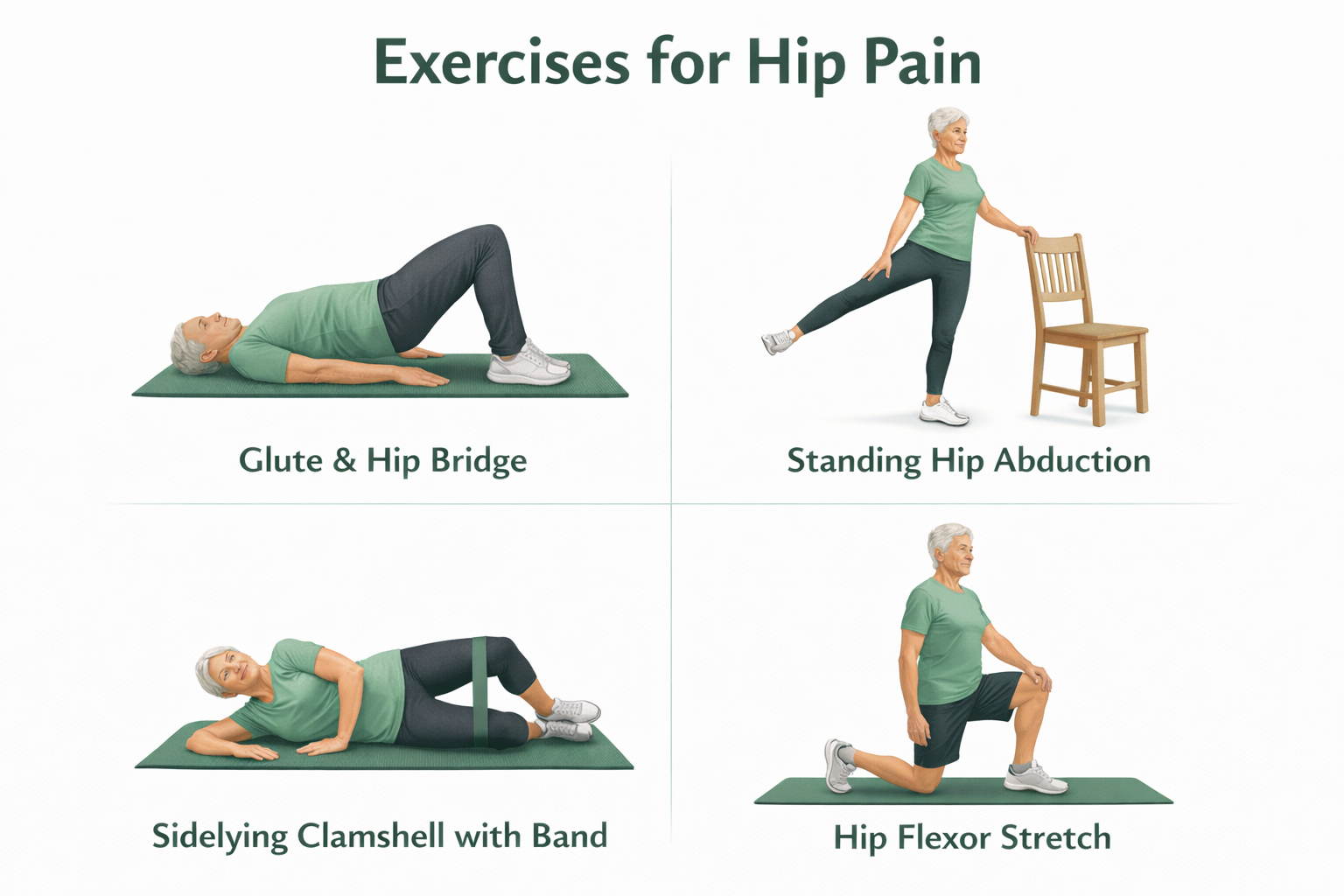
Exercise is one of the most powerful tools for managing hip osteoarthritis - when it’s done right.
Your osteopath can guide you with:
Pain-appropriate strengthening exercises
Mobility work to reduce stiffness
Strategies to improve walking, squatting, or getting up from chairs
Progressions that build confidence, not fear
No “one-size-fits-all” programs - just movement that suits your body.
4. Education & Reassurance
Understanding your condition can significantly reduce fear and tension around movement.
We help you:
Understand what OA really means (and what it doesn’t)
Learn how to manage flare-ups
Build confidence in movement again
Feel empowered rather than limited by your diagnosis
Pain does not mean damage - and movement is often part of the solution.
The Bigger Picture: A Holistic Approach
Hip pain rarely exists in isolation. At Strong Life Osteopathy, we consider:
Daily activities and work demands
Exercise and sport
Sleep and recovery
Stress levels and overall load on your system
Small changes across these areas can create meaningful improvements over time.
Can Osteopathy Help You?
Osteopathy may be helpful if you:
Have hip osteoarthritis or early joint changes
Experience stiffness, aching, or reduced mobility
Want to stay active and independent
Feel unsure about exercise or movement
Are looking for a supportive, whole-body approach
Our goal isn’t just pain relief - it’s helping you move with confidence, strength, and ease.
Ready to Take the Next Step?
If hip pain or osteoarthritis is holding you back, you don’t have to navigate it alone.
At Strong Life Osteopathy, we’re here to listen, support, and guide you with care that’s tailored to you.
👉 Book an appointment or reach out to learn how osteopathy can support your hip health.
